Punk Spirit: Embracing DIY Creativity in Music

The punk movement, which emerged in the 1970s, is often celebrated for its raw energy, rebellious attitude, and a strong sense of individuality. At its core, punk is not just a genre of music; it embodies a DIY (Do It Yourself) ethos that encourages artists to create, express, and innovate without the constraints of commercialism. This blog post explores the punk spirit and how it fosters creativity in music, inspiring countless musicians to embrace their unique voices and craft their own paths.

The Roots of Punk and DIY Culture
Punk music originated as a reaction against the polished sounds of mainstream rock. Bands like the Ramones, Sex Pistols, and The Clash rejected the elaborate production of their predecessors, opting instead for a raw, unfiltered sound. This movement was not just about the music; it was a cultural phenomenon that encouraged self-expression and a rejection of societal norms.
The DIY Ethos
The DIY ethos is central to punk culture. It emphasizes the importance of self-sufficiency and creativity. Punk musicians often produce their own music, create their own artwork, and organize their own shows. This approach allows artists to maintain control over their work and connect more authentically with their audience.
Key Elements of DIY Culture in Punk Music
Independent Record Labels: Many punk bands started their own labels to release their music. Labels like SST Records and Dischord Records became platforms for underground artists, allowing them to bypass traditional music industry gatekeepers.
Homemade Merchandise: Punk bands often create their own merchandise, from T-shirts to posters, using simple tools and materials. This not only generates income but also fosters a deeper connection with fans.
Grassroots Promotion: Instead of relying on expensive marketing campaigns, punk musicians promote their shows through word of mouth, flyers, and local networks. This grassroots approach builds community and loyalty among fans.
The Impact of Punk on Modern Music
The influence of punk extends far beyond its original era. Today, many genres incorporate punk elements, and the DIY spirit continues to inspire new generations of musicians.
Genres Influenced by Punk
Pop Punk: Bands like Green Day and Blink-182 brought punk's energy to mainstream audiences, blending catchy melodies with punk's rebellious spirit.
Post-Punk: Artists like Joy Division and Talking Heads expanded the boundaries of punk, experimenting with new sounds and styles while maintaining a punk ethos.
Hardcore: This subgenre intensified the rawness of punk, with bands like Minor Threat and Black Flag pushing the limits of speed and aggression.
The Rise of Home Recording
Advancements in technology have made it easier than ever for musicians to record at home. Affordable recording equipment and software allow artists to produce high-quality music without the need for a professional studio. This democratization of music production aligns perfectly with the punk spirit, empowering musicians to take control of their creative process.
Embracing Individuality in Music
Punk encourages artists to embrace their individuality and express their unique perspectives. This focus on authenticity resonates with audiences, fostering a deeper connection between musicians and their fans.
The Importance of Authenticity
In a world saturated with polished images and commercialized music, authenticity stands out. Punk musicians often share personal stories and experiences in their lyrics, creating a sense of relatability. This honesty resonates with listeners, making the music feel more genuine.
Examples of Authentic Punk Artists
Fugazi: Known for their commitment to DIY ethics, Fugazi not only produced their own music but also maintained affordable ticket prices for their shows, ensuring accessibility for fans.
Against Me!: Frontwoman Laura Jane Grace's journey of self-discovery and transition has been a powerful narrative in punk music, inspiring many to embrace their true selves.
The Role of Community in Punk Music
Punk is not just about individual expression; it is also about community. The punk scene fosters a sense of belonging, where musicians and fans come together to support one another.
Local Scenes and Support Networks
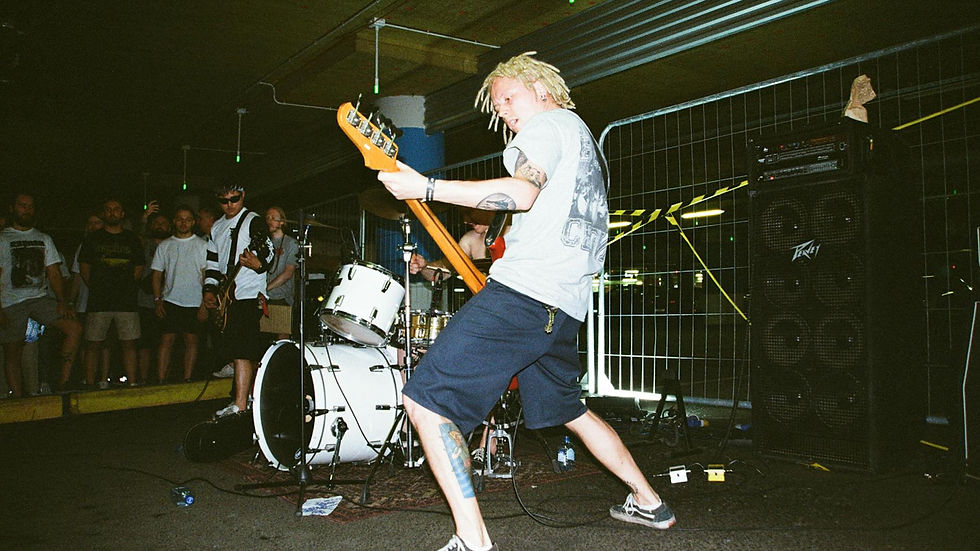
Many cities have vibrant punk scenes that provide a platform for local bands to perform and connect. These scenes often host DIY shows in basements, warehouses, and community centers, creating an inclusive environment for all.
Collaborations and Collective Efforts
Punk musicians frequently collaborate with one another, forming supergroups or participating in benefit shows. This spirit of collaboration strengthens the community and amplifies the voices of marginalized artists.
The Future of Punk and DIY Creativity
As we look to the future, the punk spirit remains alive and well. New technologies and platforms continue to empower musicians to create and share their work on their own terms.
The Role of Social Media
While traditional marketing methods may not align with the punk ethos, social media has become a powerful tool for artists to connect with their audience. Platforms like Bandcamp and SoundCloud allow musicians to share their music directly with fans, bypassing traditional distribution channels.
Emerging Trends in DIY Music
Crowdfunding: Platforms like Kickstarter and Patreon enable artists to fund their projects through fan support, allowing them to maintain creative control.
Virtual Shows: The rise of live streaming has opened new avenues for musicians to perform and connect with fans, especially in the wake of the COVID-19 pandemic.
Conclusion
The punk spirit of DIY creativity continues to inspire musicians around the world. By embracing individuality, fostering community, and rejecting commercial constraints, punk artists create music that resonates deeply with their audiences. As we move forward, the lessons of punk remind us that creativity knows no bounds and that anyone can be an artist. Whether you are a seasoned musician or just starting out, remember to embrace your unique voice and share it with the world. The punk spirit lives on, urging us all to create, connect, and challenge the status quo.

Comments