The Evolution of Alternative Music in the UK - DIY Culture's Impact

Introduction
The UK’s alternative music scene has undergone significant transformation over the last few decades, influenced profoundly by DIY culture. The rise of independent labels, grassroots promotions, and grassroots music movements have redefined the landscape of alternative music, establishing a platform for diverse voices and innovative sounds. This article delves into the evolution of alternative music in the UK, examining the profound impact of DIY culture on its development and the broader music scene.
Historical Context of Alternative Music in the UK
To understand the evolution of alternative music in the UK, it is essential to establish its roots. The late 20th century saw the emergence of genres such as punk, post-punk, new wave, and indie rock-often seen as direct responses to the mainstream music industry's excesses. Punk, with bands like the Sex Pistols and The Clash, catalyzed a cultural rebellion, advocating for self-expression and a do-it-yourself ethos. This foundational movement laid the groundwork for a more expansive alternative genre landscape.
The term "alternative" itself began gaining traction in the 1980s to describe music that deviated from popular styles, signifying a departure from what was perceived as corporate and commercialized music. In the UK, the 1990s witnessed the rise of Britpop, featuring bands like Oasis and Blur, which blended the ethos of alternative music with mainstream appeal. These movements demonstrated that alternative music could thrive commercially while still resisting the overtures of the mainstream.
The Rise of DIY Culture in Music
DIY culture in the UK music scene traces its origins back to punk, where bands often eschewed traditional recording methods and label contracts in favor of self-production and independent labels. This ethos has endured, fostering a sense of community among musicians who value authenticity and self-reliance.
Independent Labels and Recordings
Independent labels such as Warp, Domino, and Rough Trade emerged as a response to the restrictive nature of major record companies. They offered artists a platform to release their music without the strings attached to conventional contracts. These labels played a crucial role in nurturing talent and creating a diverse range of sounds that characterized UK alternative music.
This shift towards self-production and independent releases allowed artists not only to maintain creative control but also to express varied musical identities. Bands like Radiohead and Arctic Monkeys have utilized this model, leveraging online platforms for distribution and promotion, ultimately achieving both critical and commercial success.
Grassroots Promotions and Live Music
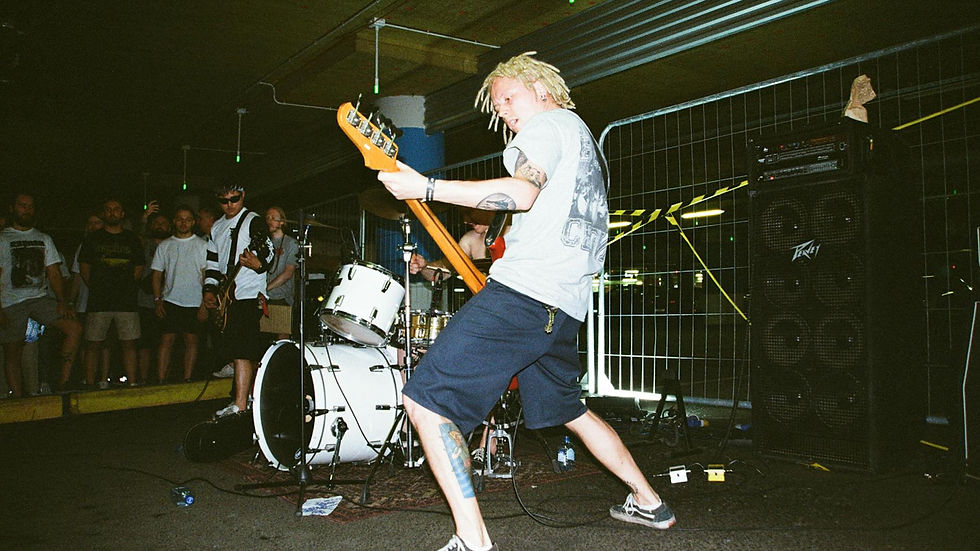
Another cornerstone of DIY culture in alternative music has been grassroots promotion and the resurgence of live music. Local promoters and small venues became vital for emerging artists to connect with audiences, fostering a vibrant scene where new sounds could emerge.
The rise of festivals such as Glastonbury and Reading & Leeds exemplified this shift towards community-driven events, where independent and emerging artists are given the same stage as their more established counterparts. This democratization of performance spaces has empowered musicians from various backgrounds, enabling them to showcase their work to wider audiences.
The Impact of Digital Innovation
The evolution of alternative music in the UK has been significantly shaped by digital innovation. The advent of the internet provided artists with unprecedented avenues for distribution and promotion. Platforms like Bandcamp, SoundCloud, and social media sites enabled musicians to share their work directly with listeners, bypassing traditional gatekeepers in the industry.
Social Media and Artist Direct Engagement
Social media has transformed the relationship between artists and fans. Musicians can now cultivate their personal brand and engage directly with their audience through platforms like Instagram and Twitter. This direct interaction fosters a sense of community, allowing fans to support their favorite artists and contribute to the growth of alternative music. For instance, acts like Wolf Alice and Gorillaz have successfully used social media to engage with their audience and promote their music, reflecting the DIY spirit.
Streaming Services and Access to Diverse Sounds
Moreover, streaming services such as Spotify and Apple Music have revolutionized music consumption, giving listeners access to a vast catalog of alternative music. This accessibility has helped lesser-known artists gain recognition, promoting a more diverse music culture. As a result, genres that were once considered niche can now find mainstream success, illustrating a democratization of artistic expression.
Challenges and Opportunities
Despite the positive impacts of DIY culture, alternative music in the UK faces challenges. The oversaturation of the digital space can make it difficult for artists to stand out. Moreover, while streaming services offer accessibility, they can often undervalue artistic work, complicating financial sustainability for musicians.
Conversely, the rise of niche subcultures within alternative music-such as bedroom pop, post-rock, and lo-fi-highlights the ongoing evolution and adaptability of the scene. Genres continue to blend, creating fascinating cross-pollination of sounds, which regularly challenges traditional categorization.
Conclusion
The evolution of alternative music in the UK has been intricately linked to the DIY culture that reshaped its framework. From independent labels to digital innovation, artists have found ways to express their creativity and connect with audiences authentically. The enduring spirit of DIY culture continues to inspire new generations of musicians, ensuring that alternative music remains vibrant and dynamic.
As we look to the future, it is crucial for artists, fans, and industry stakeholders to support these communities and uphold the principles that have fostered this rich musical landscape. With continued innovation and collaboration, the UK alternative music scene is poised for even greater evolution and transformation in the years to come.
Frequently Asked Questions
What role does DIY culture play in the UK music scene?
DIY culture fosters an environment of creativity and independence for artists, allowing them to produce and distribute their music without the constraints of major labels. It promotes community-building and collaboration, enabling diverse voices to thrive.
How has digital innovation influenced alternative music in the UK?
Digital innovation has transformed music distribution and promotion, allowing artists to connect directly with fans via social media and streaming platforms. This access has democratized the industry, making it easier for lesser-known artists to gain visibility.
What challenges do alternative artists face in today’s music landscape?
The saturation of the digital music space can make it hard for artists to stand out. Additionally, while streaming services provide access, they can also undermine the financial viability of artists.
How has the UK alternative music scene changed over the years?
The UK alternative music scene has evolved from traditional genres like punk and Britpop to embrace a variety of sounds, influenced by DIY culture and digital innovation, allowing for more diverse musical expressions.
Why is the concept of community important in alternative music?
Community in alternative music provides support and connection among artists and fans, fostering collaboration and enabling new talent to emerge. It creates an environment where diverse perspectives can flourish, pushing the boundaries of traditional genres.


Comments